Top 10 U.S. Summer Hikes You Need to Do in 2026
Summer is the best time to tackle America’s most iconic trails. From the granite giants of Yosemite to the volcanic ridgelines of the Cascades, these are the 10 hikes worth building your summer around this year.
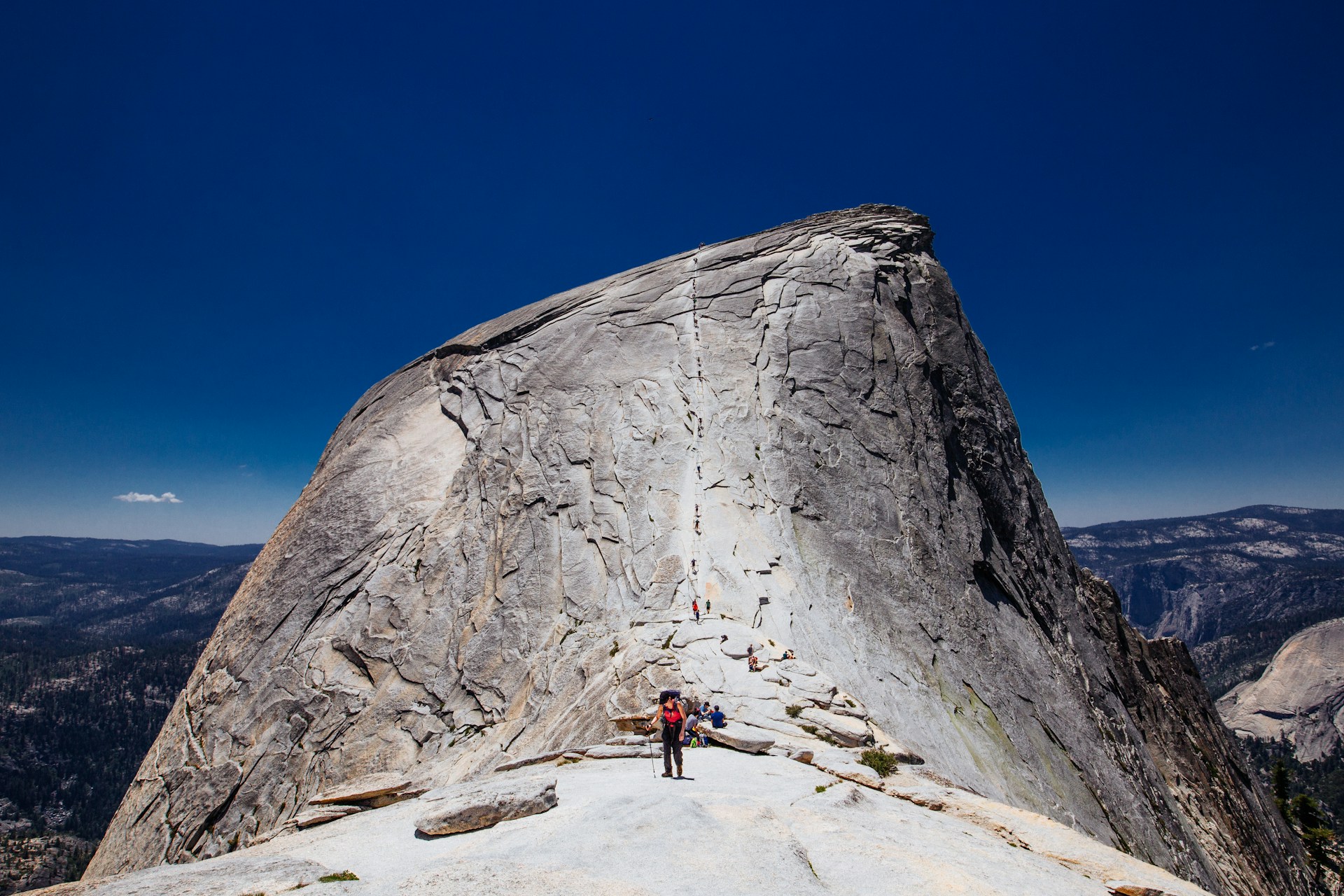
- 1. Half Dome, Yosemite, California
- 2. Angels Landing, Zion, Utah
- 3. Highline Trail, Glacier, Montana
- 4. The Enchantments, Washington
- 5. Longs Peak, Rocky Mountain, Colorado
- 6. Precipice Trail, Acadia, Maine
- 7. Maroon Bells, Aspen, Colorado
- 8. South Kaibab to Bright Angel, Grand Canyon, Arizona
- 9. Mt. Whitney, California
- 10. Wonderland Trail, Mt. Rainier, Washington
Summer opens up trails that are buried under snow for most of the year. High alpine routes, remote backcountry, and the nation’s most iconic peaks all become accessible between June and September. The competition to hike them is fierce.
We’ve put together the definitive list of the 10 best summer hikes in the United States for 2026. These aren’t just pretty walks. These are the trails that make you stop mid-step, forget to breathe, and immediately start planning your return trip.
Whether you’re a seasoned thru-hiker or just getting into the sport, there’s something on this list for you. Let’s get into it.
Half Dome is the crown jewel of Yosemite and one of the most recognizable summits in the world. The final 400 feet to the top require pulling yourself up steel cables bolted into the rock face. The view from the top is unlike anything else in the country.
A permit is required and they go fast. Apply in the spring lottery (March) for the best shot. Day hike permits are also available via a daily lottery, so check the NPS website for current availability. Start before sunrise to beat the heat and the crowds.
The cables section becomes extremely dangerous when wet. Check the weather the night before and don’t attempt the summit if rain is in the forecast.
Angels Landing is one of the most exhilarating short hikes in the United States. The final half mile involves scrambling along a narrow fin of rock with chain handholds and thousand-foot drop-offs on both sides. It’s terrifying, it’s breathtaking, and it’s completely worth it.
A permit is now required year-round for the final section to the summit. Apply through the Zion lottery system because permits go quickly, especially in summer. The rest of the trail (Walter’s Wiggles and the main switchbacks) is accessible without a permit and still offers spectacular views.
Go as early as possible. Summer temperatures in Zion regularly exceed 100°F by midday, and the chain section becomes dangerously crowded by 10am.
The Highline Trail in Glacier National Park is one of the most spectacular ridgeline hikes in the United States. Starting at Logan Pass, the trail hugs the Garden Wall, a dramatic arête that separates two valleys, with jaw-dropping views in every direction and frequent wildlife sightings including mountain goats and grizzly bears.
The trail is relatively flat for most of its length, making it accessible for intermediate hikers despite its remote feel. The shuttle system at Glacier makes it easy to do as a one-way hike. This trail is only fully accessible in July and August when snow clears, so check conditions before you go.
Book the Going-to-the-Sun Road vehicle reservation early. Without it you can’t access the Logan Pass trailhead during peak season.
The Enchantments is widely considered the most beautiful backpacking destination in the Pacific Northwest, and quite possibly the entire country. A high alpine basin filled with crystal-clear lakes, ancient larch trees that turn gold in September, and granite spires that look like something out of a fantasy novel.
Permits are incredibly competitive. The overnight lottery opens in February and fills within hours. Day use is also permitted and still spectacular. If you can only do one backcountry trip in the Pacific Northwest, make it this one.
September is the best month because the larches turn golden and the summer crowds thin out. Plan well in advance and enter the permit lottery the moment it opens.
At 14,259 feet, Longs Peak is the highest summit in Rocky Mountain National Park and one of Colorado’s most challenging 14ers. The Keyhole Route, which is the standard non-technical path to the summit, involves scrambling across exposed ledges, boulder fields, and a final push across the intimidating “Homestretch” slab.
Start no later than 3am to summit before the afternoon thunderstorms roll in. This is not a hike to take lightly. Altitude sickness, exposure, and rapidly changing weather make preparation and an early start absolutely essential.
Acclimatize for at least 2-3 days at altitude before attempting the summit. Going from sea level to 14,000 feet in one day is a recipe for a miserable and potentially dangerous experience.
The Precipice Trail is the most thrilling hike on the East Coast. What looks like a modest 3-mile loop on paper is actually an iron rung-assisted scramble up the sheer eastern face of Champlain Mountain, with exposed ledges, iron rungs, and wooden bridges clinging to the cliff face the whole way up.
The trail is sometimes closed in spring to protect nesting peregrine falcons, so check ahead before visiting. The views from the top over Frenchman Bay and the Atlantic Ocean are absolutely stunning, making them a perfect reward for the intense climb.
This trail is best done on a weekday morning. It’s extremely popular and the iron rung sections become bottlenecks quickly when crowded.
The Maroon Bells are the most photographed mountains in Colorado, and for good reason. The twin peaks reflected in Maroon Lake at sunrise create one of the most iconic landscape photos in the American West. The surrounding loop trail takes you through wildflower meadows, past turquoise alpine lakes, and across high mountain passes.
Access requires a reservation and shuttle ride during peak season. September brings golden aspen foliage that makes an already stunning landscape look absolutely magical. This is one for the camera bag.
Hiking the Grand Canyon rim to river and back out is a bucket list experience unlike any other. The South Kaibab Trail descends through exposed switchbacks with panoramic canyon views all the way down to the Colorado River. The Bright Angel Trail brings you back up through shaded creek corridors with water sources along the way.
This is best done as a two-day overnight with a camp at Bright Angel Campground at the bottom. Avoid hiking in July and August when canyon temperatures regularly exceed 110°F at the bottom. The NPS strongly advises against attempting rim-to-river-to-rim in a single day during summer.
Backcountry permits for the Grand Canyon are extremely competitive. Apply 4-6 months in advance. Day hiking partway down is also spectacular and requires no permit.
At 14,505 feet, Mt. Whitney is the highest peak in the contiguous United States, and standing on the summit feels every bit as significant as it sounds. The Main Trail is non-technical but extraordinarily demanding, gaining over 6,000 feet over 11 miles of high Sierra terrain.
A permit is required and obtained via lottery. Apply in February for summer dates. Many hikers attempt the summit as a single day push starting at midnight, but two-day trips with a camp at Guitar Lake are more enjoyable and safer for acclimatization. The view from the summit stretches across the entire Sierra Nevada.
Altitude is the biggest challenge on Whitney. Spend at least one night above 10,000 feet before your summit day to reduce the risk of altitude sickness.
The Wonderland Trail is a 93-mile loop circumnavigating the entirety of Mt. Rainier. It is one of the most ambitious and rewarding long-distance hikes in the United States. Over 7-14 days you’ll cross wildflower meadows, glacial river valleys, old growth forest, and high alpine ridges with Rainier’s massive glaciated summit looming over everything.
Permits are required for all backcountry camping and are highly competitive, so apply in March. If the full loop is too ambitious, the individual sections are spectacular as day hikes or shorter overnight trips. The Spray Park and Summerland sections are particularly stunning.
Late July to mid-August is peak wildflower season on the Wonderland Trail. The meadows around Spray Park and Indian Henry’s Hunting Ground are absolutely spectacular.
Ready to Find Your Next Banger?
These 10 hikes represent the best of what the United States has to offer in summer 2026. Each one will challenge you, reward you, and leave you with photos and memories that last a lifetime.
A few final tips before you go: always check permit requirements and availability before planning your trip since most of these trails require advance reservations. Download offline maps, leave a trip plan with someone at home, and carry the 10 essentials on every hike.
Now stop reading and start planning. Your next banger is waiting.
Heading out on any of these trails? Check out our full gear guide for detailed reviews on boots, packs, tents, and everything else you need for a summer hiking season you won’t forget.
Which Hike Is on Your List?
Browse all our trail guides or check out our gear recommendations for your next adventure.